
How Can Overcrowding in Cities Be Managed? A Systems-Based Approach to Sustainable Urban Growth
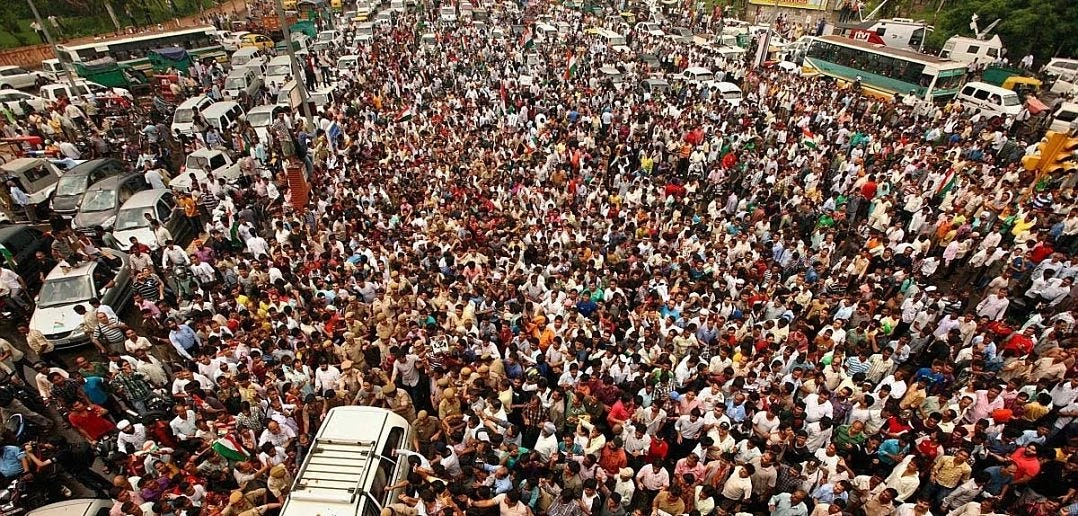
Urban overcrowding is often viewed as a population problem. In reality, it is usually a capacity problem. A city becomes overcrowded not simply because too many people live there, but because its housing, transportation, utilities, and public services cannot expand at the same pace as population growth.
As cities continue to attract workers, students, businesses, and investments, policymakers face a critical challenge: how can overcrowding in cities be managed without slowing economic development?
The answer lies in understanding cities as interconnected systems. When one system fails—such as transportation or housing—the effects spread across the entire urban environment. This article explores modern urban population control strategies, city planning approaches, and infrastructure solutions that help cities remain livable despite rapid growth.
READ THIS ALSO: Crowd Management Services
The Concept of Urban Carrying Capacity
Before discussing solutions, it is important to understand the idea of urban carrying capacity.
Urban carrying capacity refers to the maximum population a city can support without significant declines in quality of life.
A city’s carrying capacity depends on:
- Housing availability
- Transportation efficiency
- Water resources
- Energy supply
- Waste management
- Healthcare infrastructure
- Employment opportunities
Signs That a City Has Reached Its Capacity
| Indicator | Impact |
| Rising commute times | Reduced productivity |
| Housing shortages | Increased living costs |
| Water scarcity | Public health risks |
| Traffic congestion | Environmental damage |
| Overloaded hospitals | Reduced healthcare access |
| Limited green space | Lower quality of life |
Why Traditional Solutions Often Fail
Many cities respond to overcrowding by building more roads.
However, research shows that adding roads alone often creates additional traffic demand.
Similarly:
- Building houses without transportation planning creates commuting problems.
- Expanding transportation without affordable housing increases property prices.
- Increasing economic activity without infrastructure upgrades strains public services.
The Five-Layer Framework for Managing High Population Density in Cities
| Layer | Focus Area | Key Strategies / Components | Main Objective | Expected Benefits |
| Layer 1: Population Distribution Management | Reduce pressure on city centers | Satellite cities, regional economic hubs, smart industrial corridors, decentralized government offices | Spread jobs and opportunities across multiple locations | Reduced migration to city centers, lower congestion, balanced regional development |
| Layer 2: 15-Minute City Development | Bring essential services closer to residents | Schools, healthcare facilities, grocery stores, parks, workspaces, public transportation within a 15-minute reach | Minimize the need for long-distance travel | Reduced traffic congestion, lower emissions, improved quality of life |
| Layer 3: Vertical Urban Development | Accommodate more people using limited land | High-rise residential buildings, mixed-use developments, multi-level transportation hubs, vertical green spaces | Increase urban capacity without urban sprawl | Efficient land use, shorter commutes, protection of agricultural land |
| Layer 4: Smart Mobility Solutions | Improve transportation efficiency | Metro systems, Bus Rapid Transit (BRT), bicycle infrastructure, smart traffic signals, Mobility-as-a-Service platforms | Move people more efficiently rather than expanding roads | Reduced travel times, less congestion, improved public transport usage |
| Layer 5: Data-Driven Urban Governance | Use technology for proactive city management | Traffic prediction, housing demand forecasting, water consumption monitoring, emergency service management | Anticipate and solve urban challenges before they worsen | Better resource allocation, smarter decision-making, improved city services |
The Hidden Role of Affordable Housing in Urban Congestion
Housing is often overlooked when discussing overcrowding, housing shortages directly contribute to traffic congestion. When people cannot afford housing near workplaces, they move farther away and commute longer distances. This creates:
- Increased traffic
- Higher fuel consumption
- Greater infrastructure pressure
What Businesses Can Do to Reduce Urban Overcrowding
Managing overcrowding is not solely a government responsibility. Businesses also play a major role.
Practical Actions
- Remote work programs
- Flexible working hours
- Satellite offices
- Hybrid work models
- Digital service delivery
Comparing Traditional and Modern Urban Management Approaches
| Traditional Approach | Modern Approach |
| Build more roads | Improve public mobility |
| Expand city boundaries | Increase urban density intelligently |
| React to problems | Predict problems using data |
| Centralize economic activity | Develop multiple economic centers |
| Focus on vehicles | Focus on people |
| Short-term planning | Long-term sustainability planning |
The Future of Urban Population Management
The cities that thrive over the next 20 years will not necessarily be the largest. They will be the most efficient. Future urban development will focus on:
- Smart city ecosystems
- AI-assisted planning
- Sustainable housing
- Green infrastructure
- Climate-resilient development
- Human-centered city design
Understanding how can overcrowding in cities be managed requires looking beyond population numbers. Overcrowding is fundamentally a challenge of capacity, planning, and resource allocation.
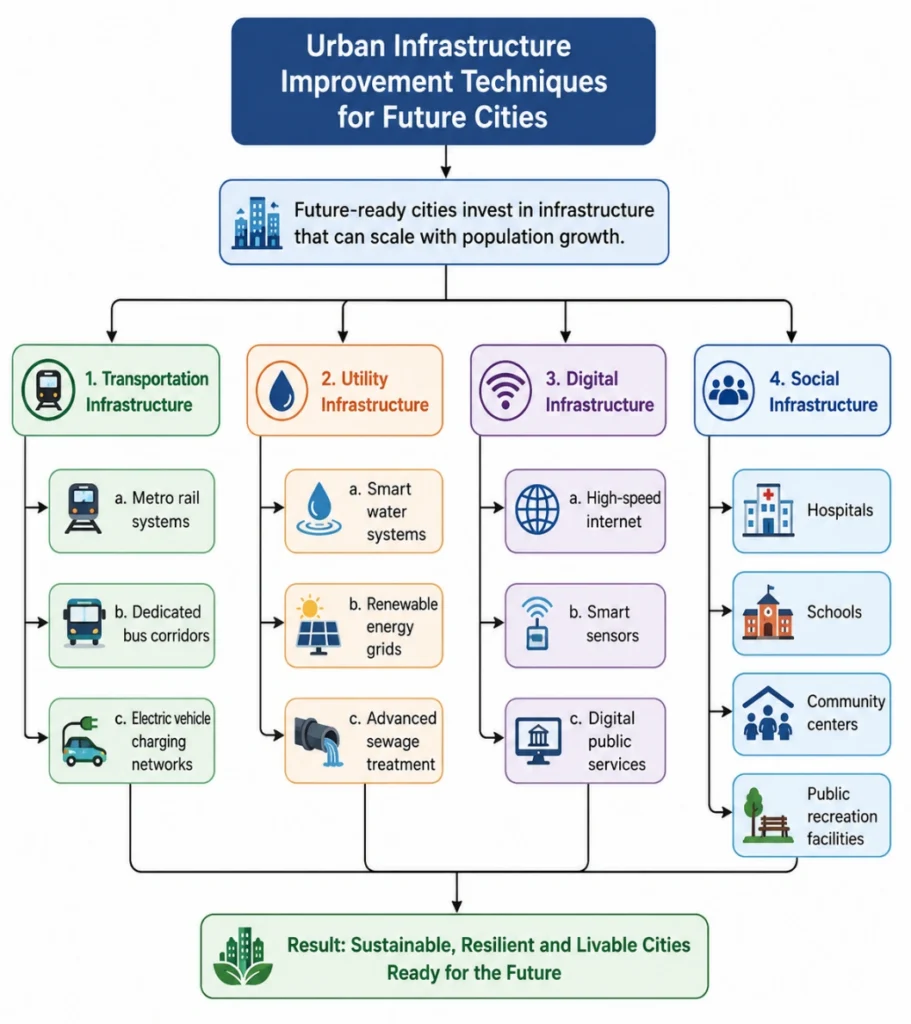
Successful urban population control strategies focus on distributing economic opportunities, improving transportation systems, expanding affordable housing, and investing in scalable infrastructure. Combined with smart governance and innovative city planning for population growth, these approaches help cities remain productive, sustainable, and livable.
As urban populations continue to rise, managing high population density in cities will depend on creating interconnected systems that support people efficiently. The most successful solutions for urban congestion will be those that balance growth, sustainability, and quality of life for future generations.
Book a free consultation for appointment
Email us at : grow@simbi.in