
Why Timely Data Entry Matters in Clinical Research Studies
In clinical research studies, every data point has a deadline. A lab result, a medication change or an adverse event is easiest to record accurately on the day it happens, and every day of delay adds risk. Timely data entry in clinical trials protects data quality, supports compliance and keeps patients safe, which is why the importance of data entry in clinical research reaches well beyond administration. This article explains what timely data entry means, what delays cost, and how sites and sponsors can build habits that work.
What Is Timely Data Entry in Clinical Trials?
Timely data entry in clinical trials means recording study data in an electronic data capture (EDC) system or case report form (CRF) soon after it is collected. The agreed window comes from the protocol, data management plan or sponsor guidance; many sites set an internal target of 24 to 48 hours after the patient visit. The data that needs entering typically falls into six groups.
READ MORE: Clinical Trial Data Managemen
| Patient demographicsAge, sex and other baseline details tied to each participant. | Medical historyPrior conditions and treatments relevant to eligibility and analysis. |
| Laboratory resultsTest values with dates, units and reference ranges. | Adverse eventsOnset, severity, action taken and outcome for each event. |
| Medication detailsDoses, schedules and any changes made during the study. | Follow-up outcomesFindings recorded at each scheduled visit. |
Importance of Data Entry in Clinical Research
Delays create gaps that affect monitoring, analysis and reporting. Prompt clinical trial data entry protects four things.
| Higher data accuracyEntering data soon after collection reduces errors that come from memory and missing fields. | Faster safety monitoringPrompt documentation lets safety teams review adverse events without waiting. |
| Quicker query resolutionQueries raised close to the visit are easier to answer from source records. | Regulatory complianceRecords that are contemporaneous and accurate stand up better in audits and inspections. |
Timely vs Delayed Clinical Trial Data Entry
The table compares what a study looks like under each approach.
| Area | Timely Entry | Delayed Entry |
| Data accuracy | Details are fresh and source records are easy to check | Errors from memory, missing fields and rushed catch-up entry |
| Safety review | Adverse events are visible to reviewers promptly | Safety signals reach the team late |
| Monitoring and queries | Few open queries, resolved quickly | Query backlog before monitoring visits |
| Database lock | Planned dates are achievable | Lock slips while outstanding items are cleared |
| Audit readiness | Clear, contemporaneous documentation | Findings about late or missing entries |
The Impact of Delayed Data Entry on Clinical Research Studies
Figure 1 shows how a late entry pushes later stages back. In practice, delayed entry can lead to:
- protocol deviations that are noticed too late to correct;
- missing or incomplete records;
- delayed database lock;
- slower statistical analysis and reporting;
- higher monitoring costs from repeated follow-up; and
- audit and inspection findings.
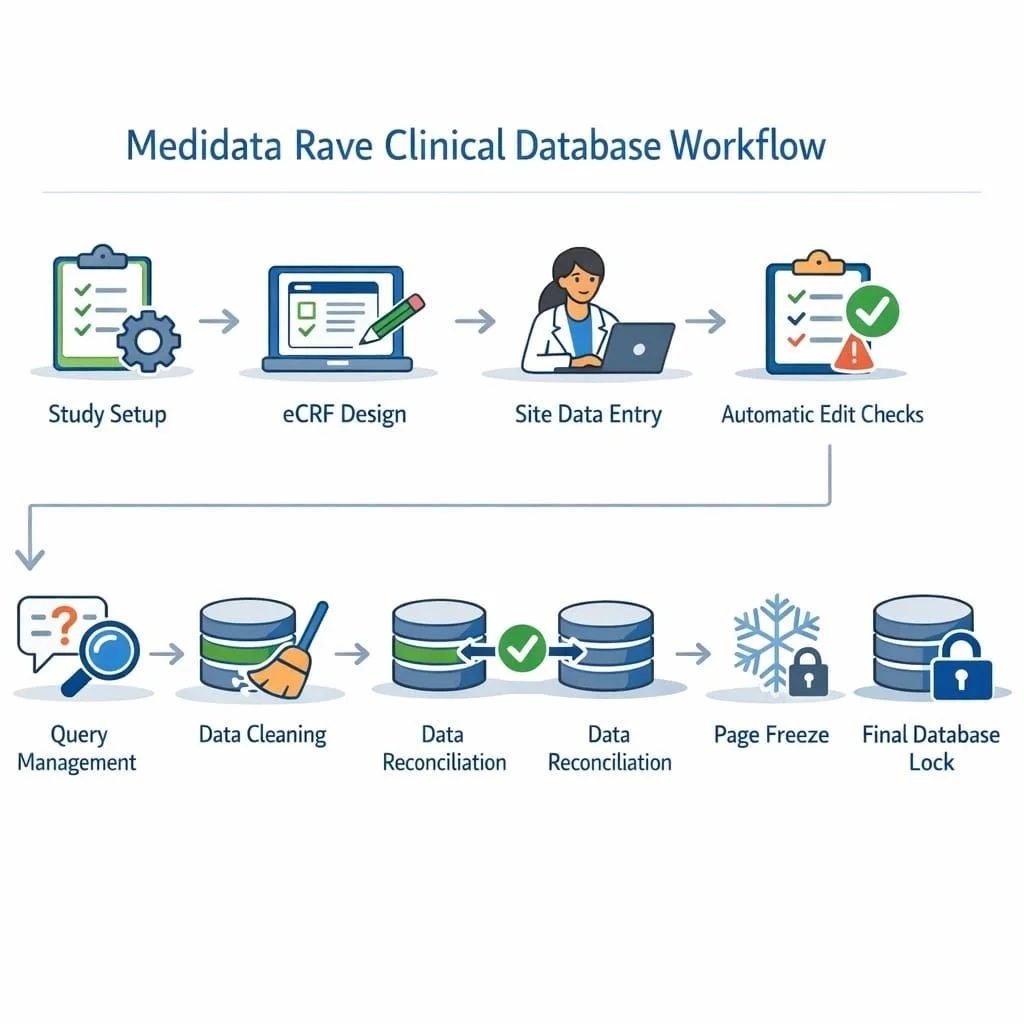
Figure 1: Illustrative effect of delayed data entry on query resolution and database lock.
https://www.linkedin.com/posts/payal-dhande-global-investigator-assistant-984717212_clinicalresearch-clinicaldatamanagement-activity-7427929439482802176-phQ3?utm_source=chatgpt.com
How Timely Data Entry Improves Study Efficiency
Better sponsor oversight. Current data lets sponsors see recruitment and treatment trends early and decide faster.
Improved site performance. Steady entry routines reduce the rush before monitoring visits and deadlines, which lowers stress on site teams.
Faster database lock and analysis. When entry and query tasks are completed as the study runs, locking the database and starting analysis takes less time.
Best Practices for Timely Clinical Trial Data Entry
Good habits matter more than good intentions. Four practices make the biggest difference: agree clear entry timelines, train research staff regularly, use EDC systems with automated checks and alerts, and review entry dates routinely so delays are caught early. For background on the wider process, see our guide to what clinical data collection is and why it matters. Figure 2 shows the workflow these practices support, and the checklist turns them into actions.
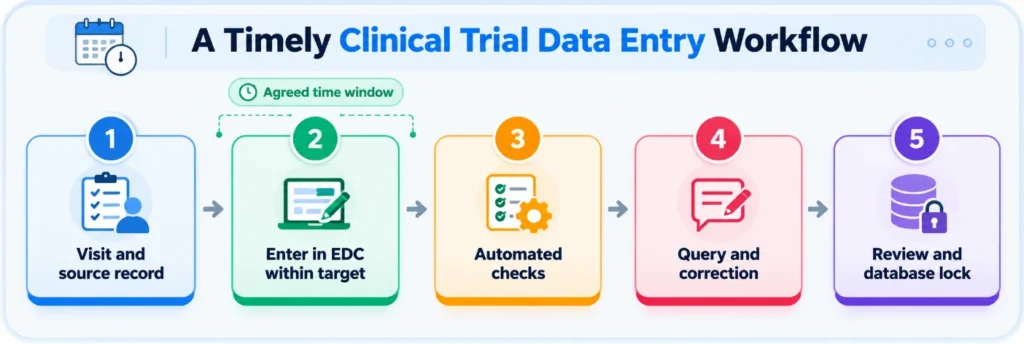
Figure 2: A timely data entry workflow from visit to database lock.
| Site checklist for timely clinical trial data entry | |
| ☐ | Entry target agreed in writing for every visit type |
| ☐ | Source documents completed on the day of the visit |
| ☐ | Responsible staff named for data entry and for query response |
| ☐ | Weekly report of outstanding entries and open queries |
| ☐ | Refresher training scheduled for new and existing staff |
| ☐ | Routine internal review of entry dates against visit dates |
Common Mistakes in Clinical Trial Data Entry
| Common Mistake | Better Approach |
| Batching entries until a monitoring visit is near | Enter after each visit and review outstanding items weekly |
| Entering from memory instead of source records | Complete source documents on the day and enter from them |
| Leaving queries until the end of the study | Respond within an agreed number of days |
| Relying on one person for all entries | Cross-train staff and share the workload |
The Future of Timely Data Entry in Clinical Research Studies
Wearables, remote monitoring and AI-assisted tools are increasing both the volume and the speed of study data, and decentralised trials move data capture beyond the clinic. These changes make timely entry and automated validation more important, not less. Sites that build disciplined entry routines now will adapt more easily as new data sources arrive.
Final Thoughts
Timely data entry improves accuracy, protects patient safety, supports regulatory compliance and keeps clinical research studies on schedule. It is a simple discipline with wide effects, and it is easiest to establish before a study begins.
Simbi Labs supports sites and sponsors with clinical data collection services and data collection services. You can also read our posts on outsourcing clinical research support services and how better data systems improve clinical research efficiency.
Frequently Asked Questions
1. What is timely data entry in clinical trials?
It is recording study data in the EDC system or CRF soon after collection, within the window set by the protocol or study plan.
2. Why is the importance of data entry in clinical research so high?
Study conclusions, safety decisions and regulatory submissions all rely on the recorded data, so accuracy and timeliness directly affect trial quality.
3. How soon should clinical trial data entry happen after a visit?
Follow the protocol or data management plan. Many sites set internal targets such as 24 to 48 hours, but the required window depends on the study.
4. What happens when data entry is delayed?
Errors and missing fields become more likely, queries take longer to resolve, safety review slows, database lock is pushed back and audit risk increases.
5. How can sites improve timely data entry in clinical trials?
Agree entry targets, complete source documents on the day, use EDC checks and alerts, train staff and review outstanding entries weekly.
6. Does timely data entry matter in all clinical research studies?
Yes. Observational studies and registries also depend on accurate records, although the exact timelines and systems vary.