
Rideshare Revolt: Ola, Uber & Rapido Drivers Push for Fare Hike – A Critical Review by Simbi Labs India
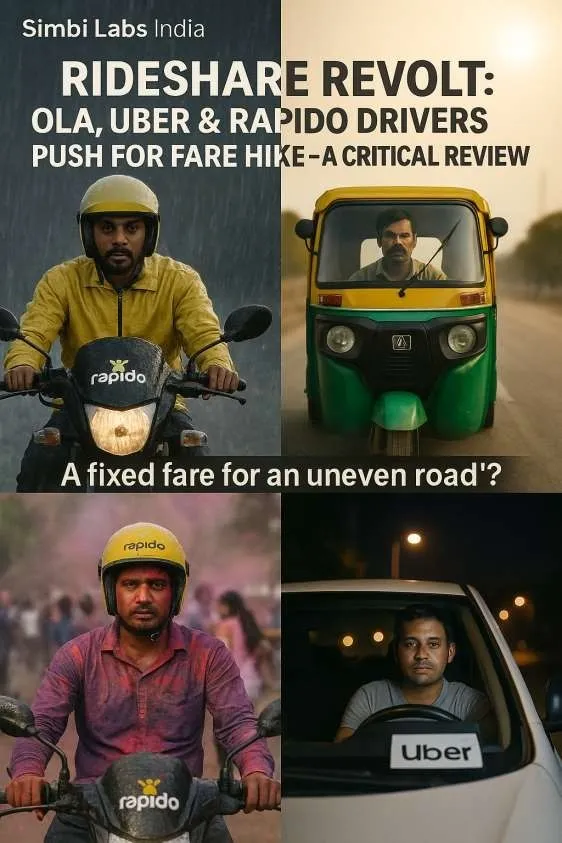
Driven by the growth of technology-enabled mobility services, the Indian urban landscape has undergone a radical transformation in how people commute over the past decade. Ride-hailing apps like Ola, Uber, and Rapido have been at the forefront of this shift, enhancing accessibility, time efficiency, and overall customer convenience. These app-based services have redefined transportation by offering affordability and flexibility, allowing users to book rides with just a few taps on their smartphones, track vehicles in real time, and enjoy seamless digital payments at the end of each trip. In this evolving ecosystem, the concept of Rideshare fare hike demand analysis India has gained importance, as companies and policymakers seek to understand pricing dynamics, user behavior, and demand patterns to ensure sustainable growth and balanced pricing strategies in the rapidly expanding mobility market.
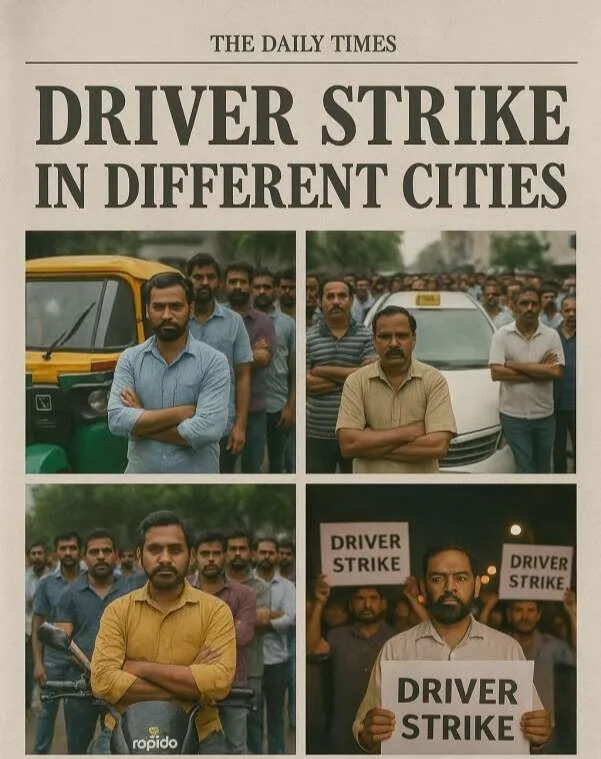
Several Ola, Uber, and Rapido drivers launched strikes in big Indian cities like Delhi, Bengaluru, Mumbai, and Hyderabad early in 2025. Demand was loud and unambiguous: improved commission structure and a fare increase. Considered the “Rideshare Revolt,” this event signals a turning point in the gig economy scene of India.
But behind this surface of ease of use comes a strong and divisive economic process called dynamic pricing, sometimes known as surge pricing. Dynamic pricing is the technique of real- time transportation fare adjustment depending on a range of external and internal variables like local demand-supply ratios, traffic circumstances, time of day, weather changes, public events, and even continuous demonstrations or crises. Higher costs encourage more drivers to come on the road, which in turn lowers wait times and satisfies peak demand, so theoretically this pricing approach balances the market. In reality, though, it frequently begs serious issues regarding sustainability, openness, and justice. Benevolent on the surface, this invention hides a workforce struggling with growing expenses, stagnate wages, and dubious working conditions.
Understanding Dynamic Pricing
Dynamic pricing, sometimes known as surge pricing, is the technique whereby ride costs change depending on the state of the current market:
- High demand less supply = surge fare.
- Low demand + high supply = discount price.
This Simbi Labs India essay explores the causes, reasons, effects, and ramifications of the uprising as well as a data-driven critical analysis of whether the fare increase is warranted or not.
Ola, Uber, Rapido—What are they?
Major participants in the Indian ridesharing scene are Ola (established in 2010), Uber (introduced in India in 2013), and Rapido (a two-wheeler taxi service began in 2015). Using mobile apps, they link consumers with either private or commercial drivers. Operating on a gig economy, these sites let drivers be autonomous partners rather than official workers. Although they provide drivers flexible working schedules and revenue possibilities, the model has been under fire for exploitation, lack of social security, and arbitrary algorithmic decision- making.
Gig City
Under the gig economy, people labor as independent contractors or freelancers instead of full- time, permanent workers. Usually short-term, task-based, or project-based, this paradigm sees labor mediated via digital platforms or apps such Uber, Ola, Rapido, Zomato, Swiggy, Urban Company, and many others.
Particularly in cities, the gig economy has expanded quickly as cellphones and internet platforms have become ubiquitous. It begs serious issues concerning labor rights, fair compensation, and social protection even if it offers chances for flexible work and fast revenue. Recent strikes by Ola, Uber, and Rapido drivers provide instances of how gig workers are now banding together to seek improved pay and treatment.
The Emergence of Algorithmic Pricing Within the Mobility Economy
1. Traditional Taxi Pricing
- Prices were mostly fixed or meter-based.
- Limited flexibility in responding to market demand.
2. Entry of Ride-Hailing Companies
- Uber and Ola introduced algorithmic pricing in India.
- Strategy: predictive pricing → forecasts demand instead of just reacting.
- Rapido quickly adopted the same model to stay competitive.
3. Objectives of Algorithmic Pricing
- Maximize platform efficiency.
- Increase corporate profit.
- Balance customer demand satisfaction with revenue growth.
4. Role of Data & Technology
- Relies on data analytics and machine learning algorithms.
- Prices adjust:
- Minute to minute.
- Across locations and times of day.
- Example: A 10-minute booking delay in rush hour may raise fares by 50% or more.
- Models are predictive (based on past & real-time data), not random.
5. Consumer Perception
In emergencies.
Sharp price hikes seen as predatory.
Causes resentment and mistrust, especially:
During rush hours.
Driver Dependency and Welfare
Although erratic fares cause financial pain for consumers, drivers deal with different kinds of difficulties. Originally lured to the ride-hailing business with promises of flexible working hours and great pay, many drivers now discover they are at the mercy of platform algorithms. Dynamic pricing generates revenue instability even if it does sometimes provide better profits through spike fares. Many drivers put in extra hours without a guaranteed salary as neither fares nor customer demand are predictable.
Companies like Ola and Uber also deduct 20–30% of every fare as commission, which leaves little margin for the drivers when considering growing gasoline costs, vehicle maintenance, and E MI obligations. Customers may cancel rides under high-surge pricing because of the higher fare, thus the driver still spends time and gasoline without making money. Therefore, drivers might not necessarily gain even if the corporation gains from higher commission each ride.
Many drivers have expressed their worries, taken part in strikes, or changed jobs because of inadequate support systems, opaque pricing rules, and uneven pay. Their discontent reveals a more fundamental structural disparity in the way these platforms divide value between their partners and themselves.
Business Profitability and Market Dominance
1. Dynamic Pricing as a Profit Tool
- Ride-hailing firms adjust fares based on micro-market conditions.
- Ensures every ride generates maximum revenue.
- Platforms secure their fee regardless of high or low fares.
- System is skewed towards corporate profits.
2. Role of Data and Analytics
- Use of behavioral analytics, traffic patterns, and consumer data.
- Pricing models designed to balance company profitability.
- Tools include:
- Peak Pricing Alerts
- Loyalty Programs
- Subscription Models (e.g., Ola Pass, Uber Premium).
- Helps segment consumers:
- Premium consumers → more value extracted.
- Budget-conscious consumers → offered affordable options.
3. Dynamic Pricing as a Competitive Strategy
- Real-time data analytics enables deliberate price control.
- Strategies used:
- Outperform rivals in specific areas.
- Attract consumers with temporary discounts.
- Flood markets with driver incentives.
- Short-term effectiveness.
- Long-term challenges:
- Driver dissatisfaction.
- Price wars.
- Regulatory scrutiny.
4. Rise of Technology-Enabled Mobility Services
- Last decade has seen a dramatic commuting transformation.
- Led by ride-hailing platforms: Ola, Uber, Rapido.
5. Impact on Urban Transportation
- Redefined commuting with:
- Accessibility.
- Time efficiency.
- Customer friendliness.
6. Features of App-Based Transportation
Seamless digital payment at journey end.
Flexibility, affordability, and convenience.
Key benefits:
Book rides through smartphone apps.
Real-time ride tracking.
Strike Events: Part of: Rideshare Revolt – A Critical Review by Simbi Labs India

Timeline: February – March 2025
Lead by gig workers and rideshare drivers connected with Ola, Uber, and Rapido, a wave of coordinated strikes and demonstrations swept over India in February and March 2025. These protests were not isolated but rather a part of an increasing, coordinated demand for fare changes, pay transparency, reduced commissions, and fuel support.
| City | Date Range ofStrike | Impact Summary |
| Delhi- NCR | Feb 12–16, 2025 | Complete system paralysis in Gurgaon, Noida, and Delhi central.Massive traffic congestion due to cab unavailability. Protest at Jantar Mantar. |
| Bengaluru | Feb 18–22, 2025 | Airport ride cancellations, protests outside Uber HSR Layout office. Local tech employees voiced concerns about last-milecommute disruption. |
| Mumbai | Feb 24–28, 2025 | Protests near Bandra-Kurla Complex and Andheri. Auto unions joined in. Ride prices for available cabs surged by 200% due tolack of supply. |
| Hyderabad | March 2–4, 2025 | Coordinated slowdown campaign: drivers accepted bookings butcancelled at pickup points. |
| Chennai &Pune | March 5–7, 2025 | Flash protests at key railway stations and tech parks. Awarenessmarches conducted by gig worker groups. |
Case Study: Delhi NCR Case Study: Ola, Uber & Rapido Driver Strike
Title: “Behind the Wheel: The Revolution of the Delhi NCR Ride-Hailing Workforce
Background
1. The Strike Event
i. Drivers of Ola, Uber, and Rapido in Delhi NCR went on strike.
ii. Demands: fair pay, lower commissions, better working conditions.
iii. Thousands of truckers and drivers went offline, disrupting daily transport.
iv Strike exposed the harsh realities of India’s gig economy.
2. Drivers’ Grievances
i. Low wages despite long working hours (12–14 hrs/day).
ii. After expenses, drivers earned as little as ₹30–₹40 per trip.
iii. High commissions: 20–30% per ride taken by platforms.
iv. Complaints about:
- Lack of transparency in fare calculations.
- Frequent fines via app rating systems.
- No social security, insurance, or medical benefits.
3. Impact of the Strike
i. Took place during festival season and peak traffic.
ii. Severe inconvenience for passengers: fewer rides, high surge pricing.
iii. Companies continued earning via commissions despite strike.
iv. Attracted media coverage and public criticism, increasing pressure.
4. Drivers’ Demands
i. Increase in base fare.
ii. Lower commissions charged by platforms.
iii. Fuel-adjusted pricing system.
iv. Recognition under India’s gig worker protection laws.
5. Broader Economic & Social Issues
i. Highlighted price elasticity and supply-demand mismatches.
ii. Exposed unequal income sharing in platform businesses.
iii. Long-term sustainability requires:
- Transparent pricing systems.
- Better driver incentives.
- Collaboration with government to protect gig workers.
6. Significance of the Walkout
Raised national awareness on the struggles of drivers in the digital economy.
More than just a protest on low fares.
A call for dignity, justice, and respect for gig workers.
Important Strike Strategies and Techniques
Thousands of drivers logged off from the Ola, Uber, and Rapido applications, therefore rendering the rideshare grid in big cities virtually useless. This made people turn to nearby public transit or private cars.
Office Protests: There were sit-in demonstrations at Uber’s Bengaluru HSR office.Gig workers waving banners calling for fair rates and reduced commission cuts encircled Ola regional headquarters (Gurgaon).
Social Media Movement: On X (previously Twitter) and Instagram, hash tags such #FairFares, #JusticeForDrivers, #GigWorkersUnite trended.Viral videos showed drivers using increasing gasoline prices and algorithm manipulation to explain their earnings reduction.
Union support: Local auto unions, gig worker groups like IFAT (Indian Federation of App- Based Transport Workers) and AITUC backed the strikes. Labor rights lawyers in Delhi and Mumbai extended legal support.
Public Feelings: Many commuters voiced annoyance but sympathy for the needs of drivers. Online petitions and city-based town halls echoed calls for government intervention and regulation.
Why Was the Strike Called for? Key Motives of the Revolt
| Issue | Driver Grievance |
| Fuel Price Surge | Daily petrol/diesel costs rose to ₹100–₹110/litre, eating into driver margins. |
| High Commission Cuts | Platforms charged 25–30% commission per ride, leaving drivers with <₹8/km earnings. |
| Incentive Manipulation | Weekly bonuses and incentives were reduced or delayed without notice. |
| No Minimum Wage Guarantee | Even after long shifts (10–12 hrs), daily earnings were inconsistent and low. |
| App Algorithm Bias | Driver complaints of being assigned low-fare rides far away, increasing fuel loss. |
| Lack of Insurance/PF/Support | No health insurance, accident cover, oremergency aid despite years on the platform. |
Challenges Faced in the Ride-Hailing Ecosystem
1. Customers
| 1. Category | Challenges |
| Unpredictable Pricing | Fares can surge up to 2–4x during high demand, peak hours, or rain, making rides unaffordable. |
| Lack of Transparency | Customers are often unaware of the logic behind sudden price hikes, leading to frustration and distrust. |
| Limited Availability During Peak Times | Even with higher prices, ride availability can drop due to driver shortages in busy areas. |
| Cancelled Rides | Drivers may cancel if fares are not profitable or the route isn’t appealing, increasing customer wait time. |
| Price Injustice | Same distance on two different days may cost vastly different amounts, perceived as unfair pricing. |
2. Drivers
| Category | Challenges |
| Earnings Instability | Fares fluctuate frequently; despite surge pricing, drivers do not always benefit due to platform commissions. |
| High Commission Cuts | Companies take 20–30% of every fare, reducing take-home earnings even during high-demand periods. |
| Platform Dependence | Drivers rely entirely on platform algorithms for ride allocation and pricing—no control over rates. |
| Demand Mismatch | Often there are too many drivers chasing too few rides during off-peak hours, reducing income. |
| Customer Cancellations | During high surge pricing, riders cancel due to cost—drivers lose time and fuel with no earnings. |
| Exhaustion and Burnout | To earn enough, drivers work long hours, often without proper breaks or benefits. |
3. Companies (Ola, Uber, Rapido)
| Category | Challenges |
| Customer Retention | Frequent price surges reduce user satisfaction and loyalty, pushing users to public transport or rivals. |
| Driver Retention | Low earnings and lack of incentives cause driver attrition and discontent, especially during lean periods. |
| Market Saturation | Too many drivers on the platform in metro cities create supply glut, increasing competition and lowering earnings. |
| Regulatory Scrutiny | Government bodies often criticize surge pricing practices and demand fare caps or transparency. |
| Balancing Demand- Supply | Real-time management of vehicle distribution is complex; surge pricing doesn’t always ensure better supply. |
Takeaways for Government & Companies
1. Gig Worker Classification Needs Urgency
i. The strike amplified the call for recognizing drivers as platform-dependent workers, not informal freelancers.
ii. Gig workers urged inclusion under India’s Code on Social Security, 2020, demanding Provident Fund (PF), ESI, and grievance redressal mechanisms.
2. Need for Fuel Price Buffer
i. States like Maharashtra and Karnataka were urged to offer subsidized fuel rates to app- based commercial drivers.
3. Transparency & Fare Regulation
i. Citizens, unions, and policymakers recommended a minimum base fare (₹15/km) and commission caps (≤20%) to be made mandatory via state regulation.
ii. The Central Government indicated a review of gig economy frameworks might be tabled in Parliament’s monsoon session 2025.
4. Government Response
i. Ministry of Labour & Employment took note of the events and called for platform reports on wage fairness.
ii. The NITI Aayog committee on platform economy proposed a Tripartite Council (Govt+ Gig Workers + Platforms) to avoid future breakdowns.
Recommendations
1. Add minimum guaranteed driver income to low demand products.
2. Open communication of spike pricing justification to consumers.
3. Systems of incentives to encourage drivers to work outside of peak times.
4. Platform diversification: bundles, frequent user subscription programs to help to stabilize rates.
5. Demand forecasting driven by artificial intelligence will help to better match supply and demand.
Response from Companies
1. Overall Response Pattern
- Responses were inconsistent, cautious, and digital-only.
- None of the companies held an official press conference to address concerns.
- Main focus: damage control through in-app communication and incentives.
2. Ola’s Response
- Introduced a temporary “Ride Boost Bonus” scheme in Bengaluru.
- Promised drivers higher pay per ride for one week after the strike.
- Criticized by driver unions as a token gesture:
- Short-term and not applicable to all cities.
- No structural changes to address deeper issues.
3. Uber’s Response
- Issued a short public comment acknowledging “temporary regional disruptions.”
- Claimed to be in active dialogue with stakeholders.
- Did not provide any specific action plan or timeline.
- Focused on in-app incentives like “limited-time earnings boosts.”
4. Rapido’s Response
- Initially silent during the first days of the strike.
- On March 6, 2025, gave a formal statement.
- Only company to mention government engagement:
- Recognized rising fuel costs as a major issue.
- Exploring fuel subsidy options with state-level governments.
5. Criticism from Gig Worker Groups
- None of the companies addressed core driver demands such as:
- Commission caps.
- Minimum guaranteed earnings.
- Algorithm transparency.
- Insurance and social security coverage.
- Corporate response viewed as reactive, not proactive.
- Lack of long-term strategic vision for driver welfare.
6. Broader Implications
Sustainable solutions beyond temporary bonuses.
Highlighted conflict between platform business models and gig workers’ rights.
Reinforced need for:
Inclusive policies.
Government intervention.
Thus, was the demand of the drivers for a fare hike satisfied?
Following the coordinated strikes of the Ola, Uber, and Rapido drivers in February–March 2025, the rideshare companies temporarily paid notice and made little concessions. The fundamental demand—a permanent fare increase and improved commission structure—was only partially satisfied, though, and as of right now the problem is still mostly unsolved.
Although some cities—like Bengaluru and Delhi—saw temporary ride incentives and short- term incentive increases, these were tactical, time-bound reactions rather than structural changes. The main demands of the strike were not any firm pledging a general hike in per- kilometer base rates or a decrease in platform commissions. More people saw the “Ride Boost Bonus” programs started by Ola and the promise of fuel subsidy talks by Rapido as damage control than as significant policy reform.
Though as of mid-2025 no legislation or formal regulation has been passed to mandate fare increases, commission caps, or social protections for gig workers, the government’s involvement—through the Ministry of Labour & Employment and the NITI Aayog proposal for a Tripartite Council—showcases promise for future dialogue. Therefore, even if the strike helped to raise awareness and forward the discourse, the real fulfillment of fare rise needs has not yet shown up in a tangible, long-lasting form.
Ultimately, although their protest was a turning point in the gig economy, the demand for drivers’ fare increase has not been satisfied. The strike set the stage for further reforms; long- term changes might finally result from continuous union pressure, public support, and policy debates. As of yet, though, the drivers’ fight for equitable pay is still under development and calls for ongoing group effort as well as legislative push.
Recommendation
Implementing a clear pricing mechanism with real-time price breakdowns and guaranteeing surge pricing benefits drivers directly will help to solve the continuous difficulties ride-hailing drivers experience. Fair commission structures are something platforms have to embrace to minimize expenses and restore open incentive systems. Formal councils should help to institutionalize driver representation so that they might participate in policy choices. Under the Code on Social Security 2020 the government has to enforce social security policies and control working hours and base fares. Finally, better customer communication will help to properly explain surge pricing, therefore promoting justice and understanding among all the gig ecosystem participants.
For an in-depth understanding, please refer to our book, “Academic Research Fundamentals: Research Writing and Data Analysis”. It is available as an eBook here, or you may purchase the hardcopy here .
Thanks for the detailed information. I get to know the about strike and problem through this article.
Thank you for your comment! We’re glad the article helped you understand more about the strike and the issues involved. Your interest means a lot to us—feel free to explore more articles for deeper insights and updates!