
How to Remove Plagiarism from Thesis in India: Proven Academic Strategies
Originality is non-negotiable in Indian academia. Under the UGC (Promotion of Academic Integrity and Prevention of Plagiarism in Higher Educational Institutions) Regulations, 2018, every thesis is checked against an approved similarity tool and graded into similarity tiers, with most universities requiring the final score to fall under roughly 10 to 15 percent, excluding references, quotations and the bibliography. For a scholar who discovers their draft exceeds that limit weeks before a defence, learning to remove plagiarism from thesis content quickly and correctly becomes the most urgent task on the calendar. This guide covers the strategies that genuinely work, where a plagiarism removal service fits in, and the mistakes that waste time without lowering the score.
READ MORE: How to Remove Plagiarism from Assignments
Where Thesis Plagiarism Actually Comes From
Most flagged content is not deliberate copying. It usually comes from poor paraphrasing, where a sentence is reworded just enough to look different while keeping the source’s structure, from citations that are missing or inconsistently formatted, or from reusing one’s own previously published work without disclosure. Indian theses also see a distinct source that is less common elsewhere: content translated from a vernacular-language source into English, which similarity software can still match against the original if a translated version exists online.
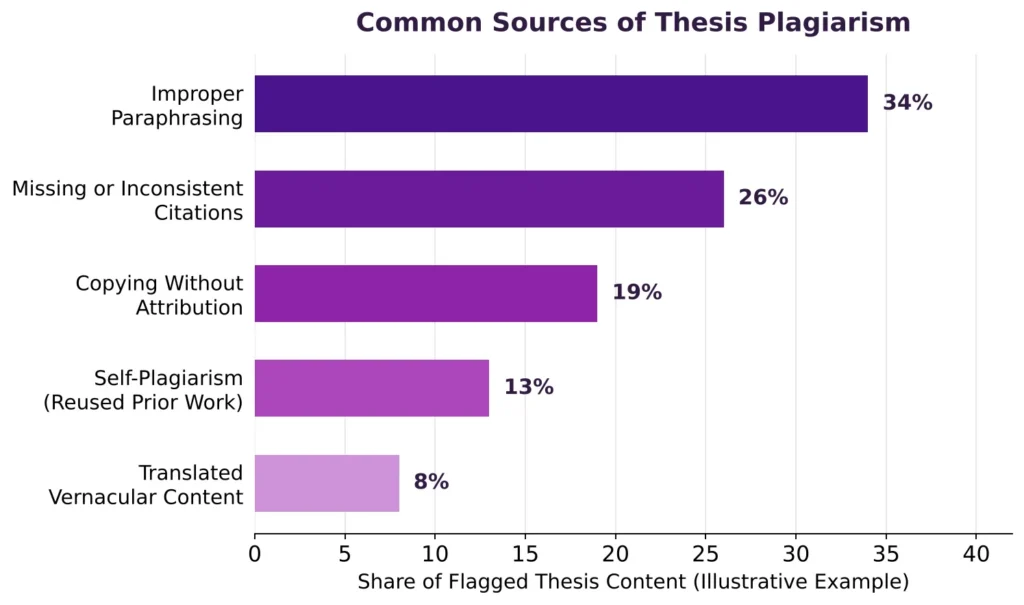
Figure 1: Illustrative breakdown of where flagged thesis content typically originates.
A Step-by-Step Process to Remove Plagiarism from Thesis
A reliable correction follows the same five stages regardless of subject area:
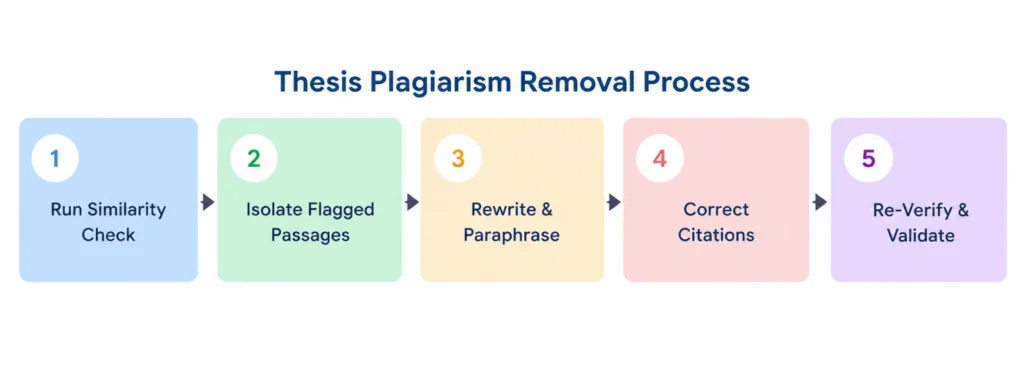
Figure 2: The standard five-stage process for clearing a thesis of flagged content.
- Run a Full Similarity Check: Use the same tool your university accepts (Turnitin, Urkund or iThenticate) to get an accurate baseline report.
- Isolate Every Flagged Passage: Work chapter by chapter rather than fixing isolated sentences in the report summary.
- Rewrite and Paraphrase Properly: Restructure the idea in your own words and voice, not just substitute synonyms.
- Correct and Standardise Citations: Apply one referencing style consistently across every chapter and the bibliography.
- Re-Verify Before Submission: Re-run the same similarity tool to confirm the score has genuinely dropped.
Self-Correction Versus a Professional Plagiarism Removal Service
Many scholars start by correcting the thesis themselves, which works for a small, clearly flagged section. Once similarity is spread across several chapters, though, a professional plagiarism removal and editing service is usually faster and more thorough, because it combines subject-matter rewriting with a final verification step.
| Aspect | Self-Correction | Professional Plagiarism Removal Service |
| Time Required | Several weeks, often done chapter by chapter alongside other work | Typically a few days, run as a dedicated, focused pass |
| Depth of Rewriting | Often limited to swapping synonyms in flagged lines | Context-aware rewriting of full passages and structure |
| Citation Accuracy | Inconsistent, especially across chapters | Standardised to the university’s required referencing style |
| Verification | Re-checked informally, if at all | Re-run on the same similarity tool before final submission |
The result of a properly done pass is visible in the similarity report itself. In a typical case handled by a professional plagiarism removal and editing service, every chapter drops well below the university’s threshold, not just the chapters that were flagged most heavily.
READ MORE: AI And Plagiarism Removal Services
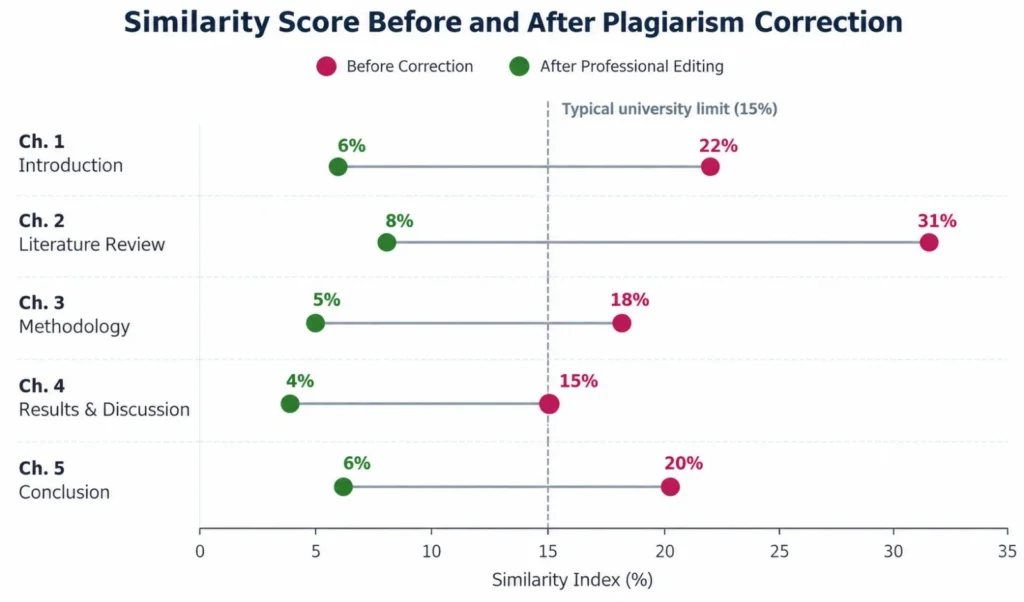
Figure 3: Illustrative similarity scores across thesis chapters before and after professional correction.
Mistakes That Undermine Plagiarism Correction
- Fixing only the sentences the report highlights, while leaving the surrounding paragraph structurally identical to the source.
- Using a different referencing style in different chapters, which creates new citation errors even as similarity falls.
- Submitting without a final re-check, risking an unpleasant surprise at the university’s own verification stage.
Choosing a Reliable Plagiarism Removal and Editing Service
A dependable provider checks the thesis using the exact tool your institution relies on, assigns an editor familiar with your subject area rather than a generic copywriter, supplies a clear before-and-after similarity report, and commits to a turnaround that fits your submission date without rushing the rewriting itself. Because a thesis is unpublished research, confidentiality matters as much as the rewriting quality: a credible service puts a non-disclosure commitment in writing before it ever sees your manuscript.
Simbi Labs’ Plagiarism Removal and Editing Service
Simbi Labs works with research scholars across India to remove plagiarism from thesis drafts at any stage, combining subject-aware rewriting, citation correction and a final verified similarity report ready for submission.
Book a free consultation for appointment
Call Now : +91 99505 66669
Email : grow@simbi.in
Frequently Asked Questions
1. How much similarity is acceptable in an Indian thesis?
Most universities, following UGC guidance, accept up to 10–15 percent similarity excluding references, quotations and the bibliography, though exact limits vary by institution.
2. Can I remove plagiarism from my thesis myself?
Yes, for a small, clearly flagged section. Once similarity spans multiple chapters, a professional plagiarism removal service is usually faster and more reliable.
3. Does paraphrasing alone guarantee a lower similarity score?
No. Paraphrasing that only swaps synonyms while keeping the original sentence structure is often still flagged; genuine rewriting of the idea is required.
4. Which similarity tools do Indian universities commonly use?
Turnitin, Urkund (now part of Ouriginal) and iThenticate are the most widely used; checking your own draft on the same tool your university uses gives the most reliable result.