
Improving Aseptic Packaging Disposal with Data‑Driven Solutions
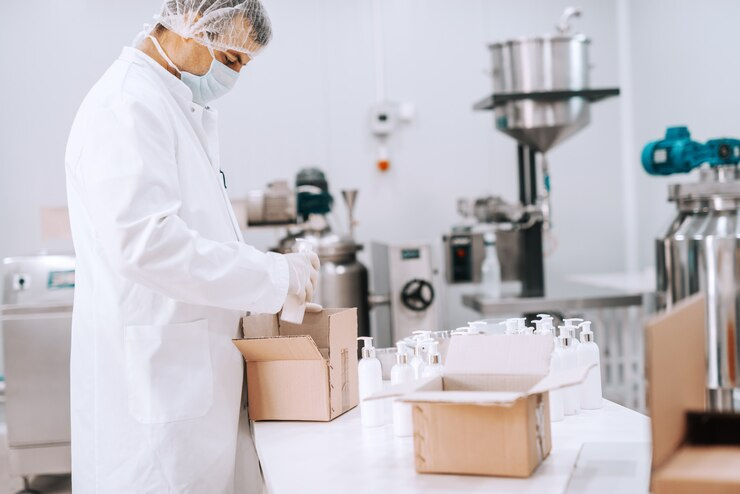
Disposal of Aseptic Packaging
Aseptic packaging, commonly used for juice, milk, and liquid foods, is made of paperboard, plastic, and aluminum layers. These layers protect products but make disposal more complex than single‑material packaging.
1. Main Disposal Methods
A. Landfill
When aseptic cartons are thrown into mixed waste, they usually end up in landfills. Because they are made of layered paper, plastic, and aluminum, they don’t break down easily. This means they remain in the environment for decades, taking up valuable space and adding to long-term waste problems. Many used cartons still end up in mixed waste, highlighting the growing concern around aseptic packaging disposal.
B. Incineration
Some cartons are burned in waste-to-energy plants. This reduces the overall volume of waste and generates energy in the process. However, it requires strict emission controls to prevent harmful gases and pollutants from being released into the air. While it offers energy recovery, it is not the most sustainable option if recycling is possible.
C. Recycling
Recycling is the most resource-friendly method for aseptic packaging. In specialized facilities, cartons are pulped in water to separate the paper fibers, which are then used to make products like tissue or paperboard. The remaining plastic and aluminum (known as PolyAl) can be recovered and processed into items such as boards, panels, or construction materials. Recycling gives a second life to valuable resources and reduces the environmental footprint compared to landfill or incineration.
2. Key Challenges
i. Limited carton collection systems in many regions.
ii. Few facilities capable of separating multi‑layer materials.
iii. Low consumer awareness about carton recyclability.
3. Improved Disposal Practices
i. Encourage households to separate cartons at source.
ii. Build stronger partnerships with local recyclers.
iii. Invest in modern recycling infrastructure.
iv. Educate consumers on recycling options and symbols.
Statistical Techniques for Aseptic Packaging Disposal
| Purpose | Statistical Techniques | How They Help |
| Measure waste generation | Descriptive statistics (mean, median, trend analysis) | Track how many cartons are discarded over time. |
| Compare disposal methods | ANOVA or t‑tests | Determine which method (landfill, incineration, recycling) handles waste more effectively. |
| Monitor recycling efficiency | Statistical Process Control (SPC) charts | Track fiber recovery rates and PolyAl yield to maintain consistency. |
| Forecast waste trends | Time Series Analysis / Regression | Predict future waste volumes and recycling requirements. |
| Optimize process parameters | Design of Experiments (DOE) | Test how changes in pulping time, temperature, or chemical treatment affect material recovery. |
| Evaluate cost and savings | Cost‑Benefit Analysis, ROI calculations | Assess the financial impact of improving recycling versus landfill or incineration. |
| Identify problem areas | Pareto Analysis | Pinpoint major sources of inefficiency or contamination in the recycling stream. |
Why Collaborations Are Needed
Aseptic cartons are made of paperboard, polyethylene, and aluminum, which require specialized equipment to compact and separate before recycling. Proper aseptic packaging disposal depends on coordinated systems and infrastructure. Individual stakeholders (brands, recyclers, municipalities) cannot achieve this alone — joint efforts improve efficiency and reduce costs.
Key Benefits of Collaborations
i. Lower transport costs by reducing packaging volume.
ii. Higher recycling efficiency due to cleaner, compacted inputs.
iii. Shared investment costs for machinery and infrastructure.
iv. Better material recovery as each stakeholder plays a role in collection, compaction, and reuse.
The Waste Hierarchy
The waste hierarchy is a framework that prioritizes waste management practices based on environmental impact. It guides industries, municipalities, and consumers toward reducing waste generation and maximizing resource recovery.
Main Levels of the Waste Hierarchy
1. Prevention (Most Preferred)
Avoid generating waste in the first place.
Examples: lightweight packaging design, using refillable containers.
2. Reduction (Minimization)
Use fewer materials or resources during production and consumption.
Examples: optimizing production processes, efficient material use.
3. Reuse
Extend the life of products by using them again without major processing.
Examples: returnable bottles, repurposing cartons for other uses.
4. Recycling
Recover valuable materials from waste to make new products.
Examples: separating paper, plastic, and aluminum from aseptic packaging.
5. Energy Recovery
Convert non‑recyclable waste into energy via incineration or other technologies.
Examples: using waste to produce heat or electricity.
6. Disposal (Least Preferred)
Sending waste to landfills or incineration without energy recovery.
This is the last resort due to its environmental impact.
Read Also : How Market and Demand Trends Are Powering the Rise of Aseptic Packaging
Statistical Techniques for the Waste Hierarchy
| Level in Waste Hierarchy | Purpose of Statistics | Useful Techniques | Example Application |
| Prevention | Measure how much waste is avoided | Descriptive statistics, Baseline vs. Current Comparison | Track packaging material saved after design changes |
| Reduction | Verify decrease in material use or waste generation | Hypothesis Testing (t‑test), ANOVA | Test if production modifications significantly reduce waste |
| Reuse | Monitor how often products are reused | Regression, Time Series Analysis | Predict return rates for refillable packaging |
| Recycling | Improve efficiency of material recovery | Statistical Process Control (SPC), Pareto Analysis, DOE | Monitor fiber recovery rates from aseptic packaging |
| Energy Recovery | Assess energy yield from non‑recyclables | Correlation Analysis, Efficiency Ratios | Compare input waste vs. output energy |
| Disposal | Track landfill reduction progress | Trend Analysis, Control Charts | Check if less waste is sent to landfill year over year |
Conclusion:
Applying statistical techniques to each stage of the waste hierarchy enables organizations to measure progress, identify inefficiencies, and make data-driven improvements. By tracking prevention, reduction, reuse, recycling, energy recovery, disposal, and aseptic packaging disposal, companies can optimize resource use, reduce environmental impact, and justify sustainability investments with measurable evidence.
For an in-depth understanding, please refer to our book, “Academic Research Fundamentals: Research Writing and Data Analysis”. It is available as an eBook here, or you may purchase the hardcopy here .